


Views: 0 Author: Site Editor Publish Time: 2026-09-15 Origin: Site


Rising masonry labor costs heavily plague modern commercial contractors. Expensive freight for heavy building materials rapidly drains project budgets. Tightening project margins leave little room for unexpected delays or onsite waste. You need a better cladding strategy to stay competitive. Enter flexible stone as a highly scalable alternative to traditional stone veneer and heavy faux stone. This material completely shifts the financial burden. It removes heavy reliance on specialized masonry labor and exorbitant transport fees. Instead, it pushes expenses back into predictable, manageable material costs.
We offer an objective, line-item breakdown of panel pricing, direct installation savings, and hidden implementation risks. Contractors can use this pricing guide to accurately bid complex projects. You will learn how to protect margins, avoid costly callbacks, and optimize your next commercial facade or interior fit-out.
Installed Cost Paradigm: Total installed costs for flexible stone are significantly lower than traditional veneer due to a 50–70% reduction in labor time and the elimination of specialized masonry requirements.
Material Averages: Base material costs for flexible stone sheets typically range from [Insert Realistic Range] per square foot, highly dependent on thickness, texture, and fire ratings.
Logistics Savings: At a fraction of the weight of natural or cast stone, lightweight flexible stone panels drastically reduce freight, staging, and scaffolding costs.
Risk Factor: The primary financial risk is improper substrate preparation or incorrect adhesive selection, leading to delamination and costly callbacks.
Traditional stone veneer relies heavily on specialized masonry labor. Finding available masons often delays project schedules. Masons command premium hourly rates. Furthermore, traditional veneer demands extensive wall preparation. You must install moisture barriers, metal lath, and heavy scratch coats. These steps consume valuable days before anyone places a single stone. High wastage rates also eat heavily into contractor profit margins. Mortar dries out. Heavy stones crack during transit. These cumulative inefficiencies destroy your estimated baseline.
The industry needed a leaner solution. Manufacturers developed the MCM flexible stone panel alternative. Modified Clay Material (MCM) uses natural mineral powders baked under low heat. It perfectly mimics natural stone textures. However, crews install it more like large-format tile or commercial wallcovering. It bends around gentle curves. It cuts easily without heavy wet saws. This fundamentally changes how estimators calculate cladding costs.
Consider the direct installed cost comparison. When you bid a traditional facade, you build a rigid stack of expenses. When you switch to flexible cladding, you strip away the most expensive variables.
Traditional Manufactured Stone: You pay for base material costs. You add specialized mason labor rates. You purchase tons of mortar and wire lath. You rent heavy-duty scaffolding for weeks to support the immense weight.
Flexible Panel Alternatives: You pay for the base material. You utilize standard carpenters or tile setters at lower hourly rates. You buy specialized polymer adhesive. You use lightweight staging platforms for only a few days.
This shift from unpredictable masonry labor to predictable material application preserves your profit margin. It allows general contractors to keep cladding scopes in-house rather than subbing them out to expensive specialists.
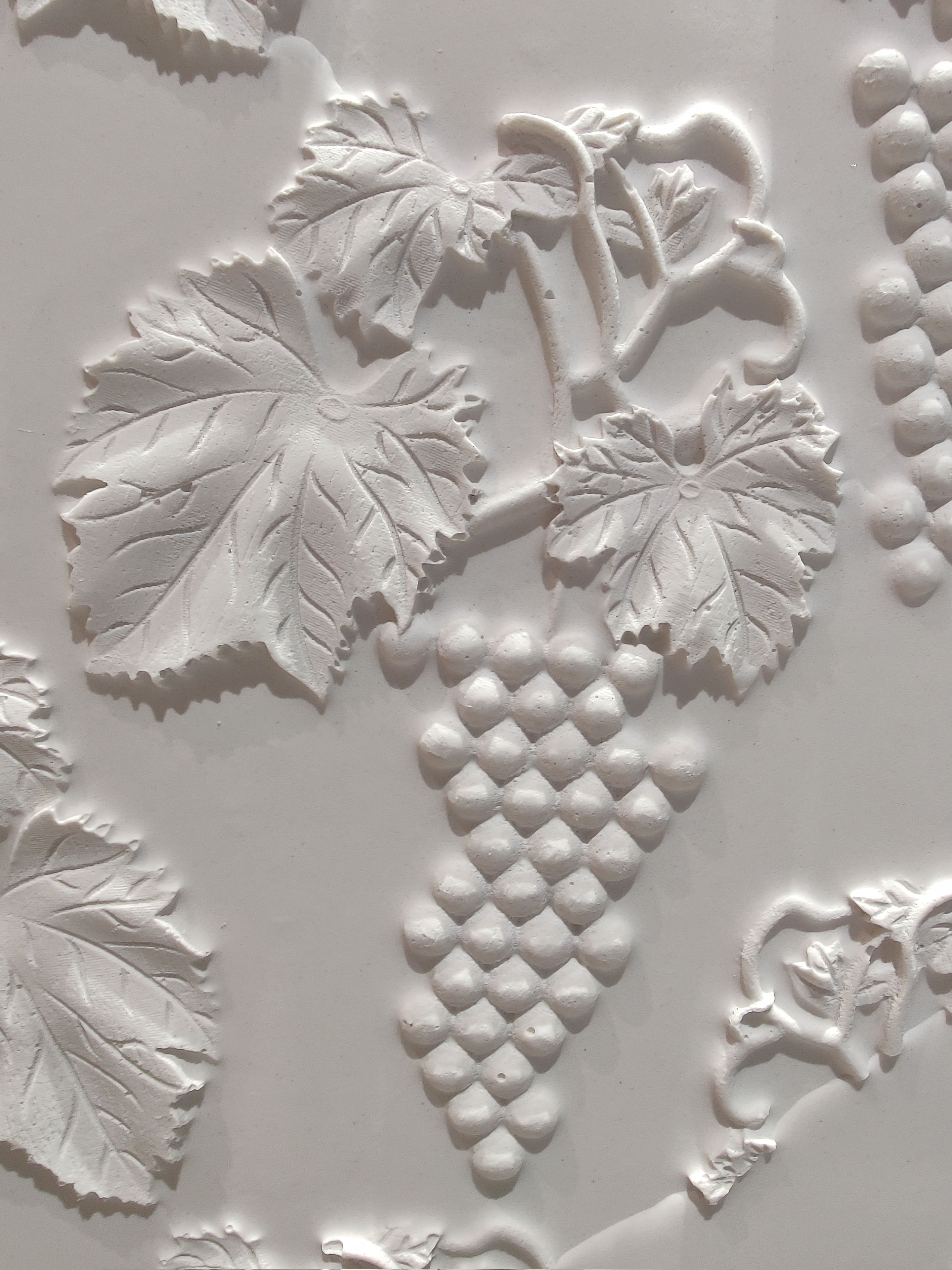
Understanding the exact financial mechanics requires a deep dive into line items. Estimators often make mistakes by only comparing material costs. The true return on investment hides within labor arbitrage and logistics.
Pricing tiers vary based on finishes and dimensions. Standard textures like travertine or smooth slate sit at the lower end of the pricing spectrum. Deeply textured profiles like split-face or rugged ledge stone cost slightly more due to complex molding processes. Large-format flexible stone sheets offer massive coverage per piece. They reduce the number of seams and accelerate installation. Always verify whether the stated price includes factory-applied sealants, as this impacts long-term maintenance costs.
Time-motion savings deliver the greatest financial impact. A traditional two-person specialized masonry crew might install 100 to 150 square feet per day. They spend hours mixing heavy mortar and cutting blocks on wet saws. Conversely, a two-person general labor crew can easily install 400 to 600 square feet of flexible panels per day. They trowel adhesive and press the lightweight sheets directly onto the primed substrate. This 300% increase in productivity fundamentally alters your project timeline.
You cannot use standard cheap mortar for these modern materials. Installers must use specific polymer-based adhesives or highly modified thinsets. These premium adhesives cost more per bucket than standard masonry mix. However, they provide necessary flexibility and extreme bond strength. Using cheaper adhesives inevitably leads to catastrophic panel failure. Delamination callbacks easily wipe out any initial material savings. Budget generously for the manufacturer-recommended bonding agents.
Logistics drain budgets silently. Manufactured stone is incredibly heavy. A single truckload might only cover 1,000 square feet. Pallets require heavy-duty forklifts to move around the job site. In contrast, a lightweight flexible stone panel weighs only a few pounds per square foot. A single pallet can cover thousands of square feet. You save massively on inbound freight costs. Your crew also spends less time carrying heavy materials up scaffolding.
Traditional Veneer vs. Flexible Stone Pricing Model
Cost Category | Traditional Manufactured Stone | MCM Flexible Stone Panels | Primary Cost Driver |
|---|---|---|---|
Base Material | Moderate to High | Moderate | Texture depth and panel size |
Labor Rate | Premium (Specialized Mason) | Standard (Carpenter/Tile Setter) | Skill availability and speed |
Installation Speed | 100 - 150 sq. ft. / day | 400 - 600 sq. ft. / day | Weight and cutting methods |
Substrate Prep | Lath, scratch coat, moisture barrier | Clean, flat, primed surface | Wall condition |
Freight | High (Requires multiple trucks) | Low (Ships densely packed) | Weight per square foot |
Even the best materials fail if you ignore implementation realities. Contractors often underestimate hidden site conditions. You must account for these variables during the bidding phase to protect your profits.
Flexible cladding requires a flat, clean, and primed substrate. It behaves like a commercial wallcovering. If you apply it over a wavy, uneven cinderblock wall, the panels will telegraph those imperfections. You cannot use thick mortar beds to hide bad framing. Therefore, you must budget for substrate preparation. Highlight the cost of skim-coating uneven walls. Include the labor for applying high-quality primers before installation. Proper preparation guarantees long-term adhesion.
Best Practice: Always conduct a strict straight-edge test on the substrate before ordering materials. Fix deviations greater than 1/8 inch over ten feet.
Exterior applications face severe weather constraints. Polymer adhesives have strict temperature limitations. You generally cannot apply them when temperatures drop below 40°F (4°C). Cold weather halts adhesive curing. Rain can wash away uncured polymers, destroying the bond. You must discuss these limitations when planning exterior winter projects. Budget for heated enclosures or weather delays. A masonry crew can sometimes add accelerators to mortar. Polymer adhesives do not offer that luxury.
Estimators usually add 15-20% waste for traditional stone. Heavy blocks chip easily during transit. Flexible panels drastically reduce this metric. Provide realistic waste calculation margins around 5-10% based on layout complexity. Crews cut these panels with industrial shears or utility knives. This eliminates the need for expensive diamond blades. It also completely removes dust mitigation costs. You avoid setting up complex silica dust containment tents, saving both time and compliance headaches.
The market features dozens of new manufacturers. Not all panels meet commercial building standards. Procurement managers must evaluate suppliers rigorously before signing large purchase orders.
Warn your purchasing team against ultra-low-cost suppliers. Cheap panels often cut corners on material chemistry. You must frame the evaluation around core performance criteria. First, verify UV stability testing. Subpar materials fade rapidly when exposed to direct sunlight. Second, demand freeze-thaw durability reports. Water absorption causes cheap panels to delaminate during winter. Finally, ensure the product carries legitimate commercial fire ratings. A Class A fire rating is non-negotiable for commercial corridors and high-rise facades.
Color matching across large commercial orders presents a hidden cost implication. Natural mineral clays vary slightly in color. If a supplier fulfills a massive order from three different production runs, you will see noticeable color drift on the wall. Explain this risk to your client. Emphasize the importance of ordering the entire project scope from a single production batch. Budget for slightly higher initial orders to ensure you hold attic stock from the exact same dye lot.
Evaluate manufacturer warranties carefully. A standard one-year warranty signals low confidence. Look for suppliers offering comprehensive 10-year or 15-year commercial warranties. These warranties impact long-term project liability. They lower maintenance costs for the end client. Ensure the supplier provides proper ASTM testing documentation. Building inspectors will reject unverified cladding materials, forcing costly tear-downs.
Transitioning away from traditional masonry requires updating your estimating databases. Project managers must adjust their standard formulas to capture true cost savings accurately.
Adjusting standard masonry takeoffs involves removing lath and scratch coat line items entirely. You must add primer and polymer adhesive yields based on manufacturer specifications. Calculate panel coverage carefully. Deduct large window and door openings, but retain the square footage for complex corners. Flexible sheets often wrap smoothly around outside corners if heated gently, saving money on expensive pre-formed corner pieces.
Architects and owners often hesitate to approve unfamiliar materials. Recommend budgeting for a paid physical mock-up. Build a small 4x4 foot sample wall on the job site. This secures architect or client approval before you commit to bulk procurement. It also allows your installation crew to practice cutting and adhering the material. A paid mock-up removes subjective aesthetic disputes during final punch lists.
Clear next steps dictate a successful procurement cycle. First, identify three reputable suppliers. Request a comprehensive commercial pricing schedule from each. Ask for specific lead times, especially for custom colors. Finally, demand detailed freight quotes based on your exact job site zip code. Compare these landed costs against your historical masonry data to prove the ROI.
Flexible stone transforms exterior and interior cladding from a slow, unpredictable masonry phase into a predictable, high-margin finish trade. By eliminating the need for scratch coats, metal lath, and expensive specialized labor, you take control of your project schedule. The lightweight nature of the panels slashes freight costs and simplifies job site logistics. While substrate preparation and premium adhesives require strict attention, the overall financial benefits heavily outweigh these minor adaptations.
Contractors should pilot the material on a low-risk interior accent wall or a small exterior facade first. This allows your team to validate labor savings and dial in their installation techniques before rolling out the material on large-scale commercial bids.
Action Steps: Update your estimating database today. Contact a verified supplier to request a trade pricing sheet. Ask for official material specifications and request physical samples to present at your next client meeting.
A: Yes, regarding the total installed cost. While base material prices may appear similar per square foot, flexible options eliminate the need for specialized masonry labor, metal lath, and heavy mortar. The drastic reduction in installation time and cheap lightweight freight create a massive overall cost gap in your favor.
A: You do not need specialized masons. Experienced tile setters, finish carpenters, or capable general contractors can easily perform the work. The panels cut with simple shears or utility knives and adhere to walls using polymer adhesives, functioning much like large-format commercial wallcoverings.
A: Yes. You can achieve major cost savings by retrofitting panels directly over existing brick, tile, or painted drywall. However, the existing surface must be structurally sound, thoroughly cleaned, and properly primed with manufacturer-approved bonding agents to prevent future delamination.
A: Premium MCM panels boast lifespans exceeding 20 to 30 years when installed correctly. They offer excellent freeze-thaw durability and UV resistance. Because they require minimal maintenance and do not suffer from traditional mortar cracking, they significantly lower long-term lifecycle costs for the property owner.


